Start with the data you need
For thermal anomaly detection, field search or low-light observation, prioritize thermal and visible imaging. For orthomosaics, terrain documentation or 3D models, examine sensor, shutter and photogrammetry workflow requirements first.
Matrice 4T: visual and infrared together
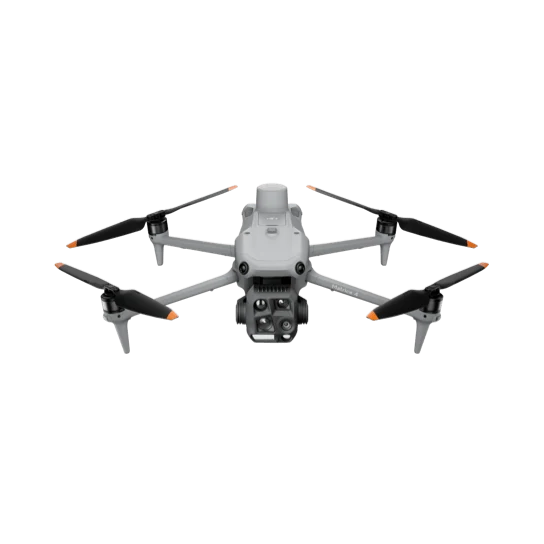
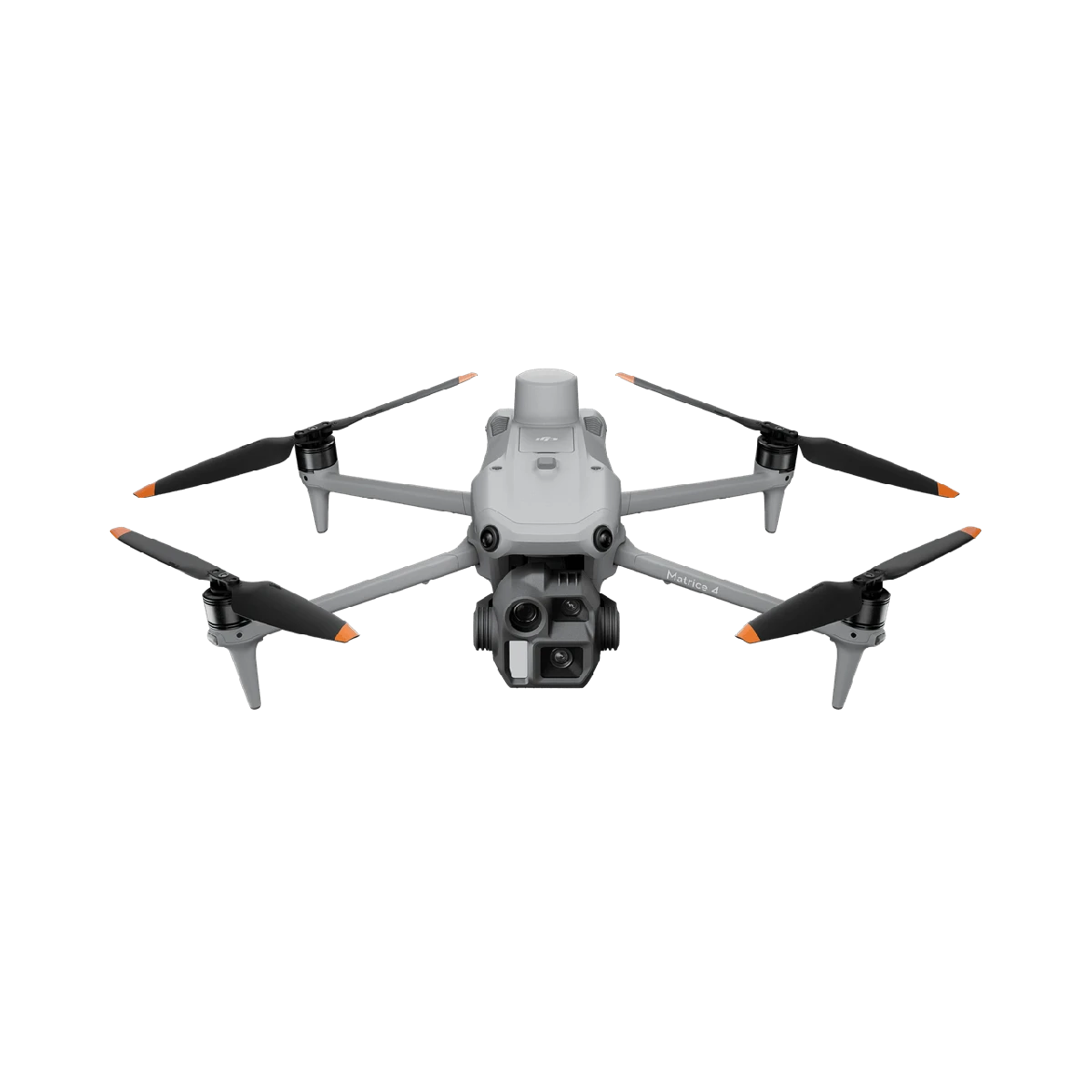
Matrice 4T combines 640 × 512 thermal imaging, a 48 MP wide-angle camera and laser ranging. Thermal interpretation depends on distance, emissivity and environmental conditions; professional temperature measurement requires proper settings and field validation.
Matrice 4E: configure for photogrammetry
Matrice 4E pairs a 20 MP 4/3 CMOS wide-angle camera with a mechanical shutter for photogrammetric capture. Evaluate accuracy with flight height, control points, positioning, overlap and processing software, rather than camera specifications alone.
Request a complete equipment set
Include application, destination, quantity and deliverables, then confirm batteries, chargers, positioning accessories and software. Maximum flight times are measured under specific test conditions; operational planning needs a suitable reserve.
Need to turn this advice into an equipment list? Start with your application, destination and quantity.
Request a quoteEditorial sources: official DJI specifications and public product resources. Consult the latest manufacturer materials for configuration and performance.